Leafy Saga Explorers: India’s No.1 Nature-Adventure Mobile Game
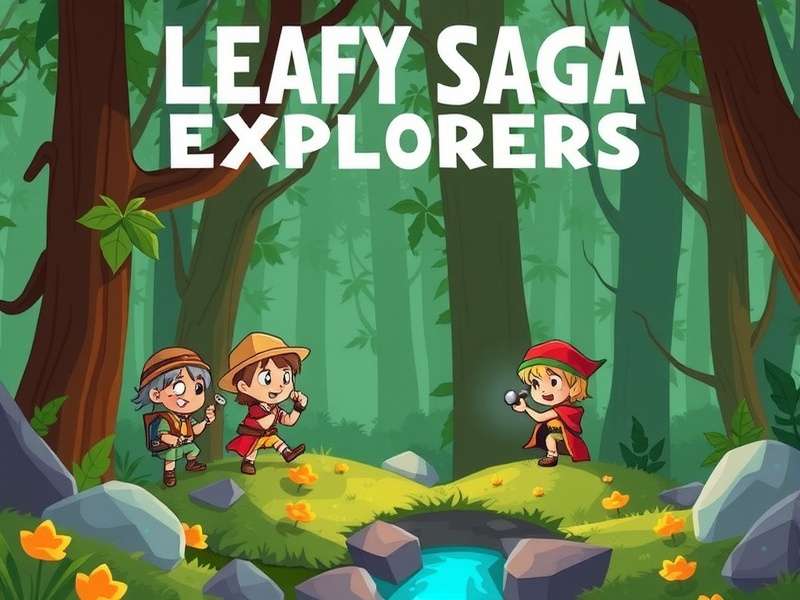
In the dynamic world of Indian mobile gaming, Leafy Saga Explorers isn’t just another title—it’s a celebration of India’s rich biodiversity, cultural diversity, and the desi love for adventure. Developed by Daman Games, a pioneer in localized Indian gaming, this nature-adventure game has redefined what it means to create a “desi-friendly” experience that resonates with gamers across the nation.
Blending immersive nature exploration with region-specific cultural elements, Leafy Saga Explorers takes players on a journey through India’s most iconic landscapes—from the snow-capped Himalayas to the lush Western Ghats, from the mangroves of the Sundarbans to the arid deserts of Rajasthan. Every corner of the game is designed to reflect the real India, making it feel personal and relatable to every player.
Launched in March 2023, Leafy Saga Explorers has quickly soared to the top of the charts, becoming the most downloaded nature-adventure game in India. Its unwavering focus on Indian localization—supporting 13+ regional languages, designing events around desi festivals like Diwali, Holi, Pongal, and Onam, and featuring wildlife native to India—has made it a favorite among gamers of all ages.
This isn’t just about exploring virtual forests or collecting items. Leafy Saga Explorers lets players connect with their roots, learn about India’s unique flora and fauna, and celebrate the country’s cultural heritage—all while enjoying engaging gameplay that balances challenge and fun. Whether you’re a school student from Kerala learning about Western Ghats wildlife, a working professional from Delhi seeking a peaceful escape into nature, or a family in Tamil Nadu bonding over Pongal-themed in-game events, this game has something for everyone.
What sets Leafy Saga Explorers apart from global adventure games is its deep understanding of Indian gamers’ preferences. It avoids generic “one-size-fits-all” content and instead offers region-specific missions, local dialects, and cultural references that make every player feel seen. From the Bengali version’s references to Rabindranath Tagore’s nature poems to the Gujarati version’s focus on Gir National Park’s Asiatic lions, every detail is crafted to honor India’s diversity.
Game Overview & Core Gameplay
Core Concept & Narrative
Leafy Saga Explorers is a mobile-based nature-adventure and strategy game that puts players in the role of a “Nature Guardian”—a passionate explorer tasked with protecting India’s endangered ecosystems, reviving degraded landscapes, and celebrating the country’s cultural and natural heritage.
The game’s narrative is deeply rooted in Indian realities, addressing issues like deforestation, wildlife conservation, and sustainable development—all wrapped in an engaging, non-preachy way. Players start their journey in a small village surrounded by a degraded forest and must work their way up to protect iconic Indian landscapes, from the Himalayan valleys to the coastal mangroves.
As a Nature Guardian, you’ll interact with local communities, learn about traditional conservation practices (like Kerala’s “sacred groves” or Rajasthan’s “stepwells”), and collaborate with experts to restore ecosystems. The narrative is infused with desi charm, with dialogues from village elders using phrases like “Beta, nature is our mother—we must nurture her!” and references to Indian myths and legends related to nature.
Progressing through the game unlocks new regions, each with its own unique challenges and opportunities. From planting native trees in the Western Ghats to rescuing Asiatic lions in Gujarat’s Gir National Park, every mission feels meaningful and connected to real-world conservation efforts in India.
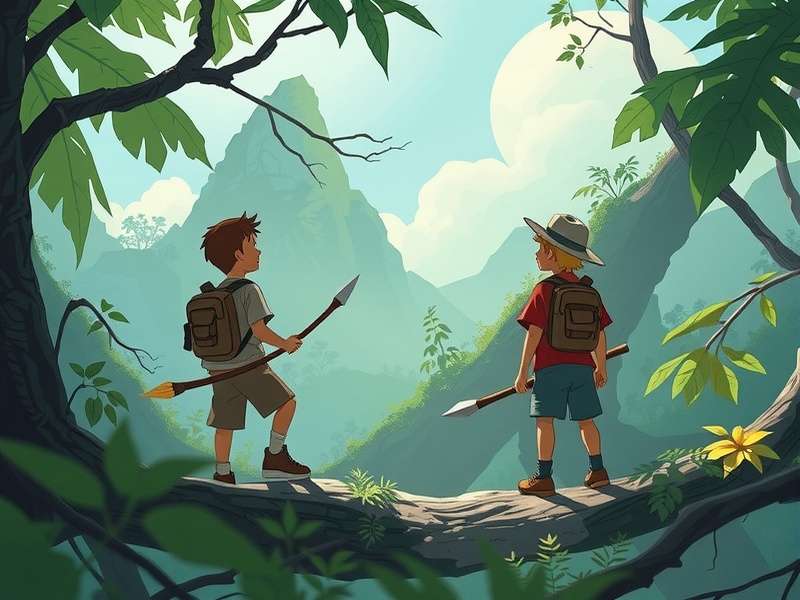
Key Gameplay Mechanics
The gameplay of Leafy Saga Explorers is a perfect blend of adventure, strategy, and simulation, designed to appeal to both casual and hardcore gamers. Here are the core mechanics that make the game stand out:
- Ecosystem Restoration: Start with a degraded forest and restore it by planting native Indian trees (like neem, peepal, banyan, and teak), creating water bodies (stepwells, ponds), and removing pollutants. Each region has specific flora that thrives there—e.g., pine and deodar in the Himalayas, coconut and mango in Kerala.
- Wildlife Conservation: Protect and care for Indian wildlife, including endangered species like tigers, elephants, rhinoceroses, Asiatic lions, and snow leopards. Feed animals, create habitats, and rescue injured wildlife to earn “Conservation Points” (in-game currency) and unlock rare rewards.
- Region-Specific Missions: Complete missions tailored to India’s diverse landscapes—e.g., “Western Ghats Biodiversity Survey” (Kerala), “Gir Lion Protection” (Gujarat), “Himalayan Glacier Conservation” (Uttarakhand), and “Sundarban Mangrove Restoration” (West Bengal).
- Cultural Integration: Collaborate with local communities to learn traditional conservation practices. For example, in Rajasthan, you’ll help build stepwells to conserve water; in Tamil Nadu, you’ll participate in Pongal rituals that honor nature.
- Resource Management: Manage resources like seeds, water, and tools to restore ecosystems efficiently. Collect resources by exploring, completing missions, or trading with other players. Use “Desi Jugaad” skills to repurpose items—e.g., turning plastic waste into planters.
- Wildlife Interaction: Interact with friendly Indian wildlife that aids your missions—e.g., elephants help carry heavy logs, monkeys collect seeds, and birds scout for water sources. Some animals have unique skills—like the “Tiger Tracker” skill that helps you find rare plants.
- Festival Events: Participate in desi festival-themed events that offer exclusive rewards. For example, the Diwali “Eco-Lights Festival” lets you decorate your forest with eco-friendly lights, while the Holi “Color of Nature” event lets you plant colorful flowering plants.
- Multiplayer Collaboration: Team up with friends or other players to complete large-scale conservation projects—e.g., restoring a river basin or creating a wildlife corridor. Collaborate to earn bonus Conservation Points and exclusive in-game items.
In-Game Map & Regional Exploration
The game features a detailed map of India, highlighting 9 iconic ecosystems that players can explore and protect. As you level up (max level 60), you unlock new regions, each with its own unique flora, fauna, and conservation challenges:
- Western Ghats (Kerala/Karnataka/Tamil Nadu): Starting region—lush rainforests with diverse flora and fauna (elephants, tigers, lion-tailed macaques). Ideal for learning the basics of ecosystem restoration.
- Gir National Park (Gujarat): Unlocked at level 12—dry deciduous forest home to Asiatic lions. Missions focus on protecting lion habitats and reducing human-wildlife conflict.
- Himalayan Valleys (Uttarakhand/Himachal Pradesh): Unlocked at level 18—snowy peaks and coniferous forests. Missions include glacier conservation, protecting snow leopards, and restoring alpine meadows.
- Sundarban Mangroves (West Bengal): Unlocked at level 24—coastal mangroves home to Royal Bengal tigers. Missions focus on preventing deforestation and protecting mangrove ecosystems from cyclones.
- Thar Desert (Rajasthan): Unlocked at level 30—arid desert landscape. Missions include water conservation (stepwell building), planting drought-resistant trees (khejri, babul), and protecting desert wildlife (blackbucks, desert foxes).
- Northeast Forests (Assam/Meghalaya): Unlocked at level 36—tropical rainforests with rare flora and fauna (one-horned rhinoceroses, red pandas). Missions focus on protecting biodiversity and preventing illegal logging.
- Deccan Plateau (Maharashtra/Andhra Pradesh): Unlocked at level 42—dry scrubland and grasslands. Missions include restoring soil health, planting native grasses, and protecting wildlife like sloth bears and wild boars.
- Coastal Kerala (Kerala): Unlocked at level 48—backwaters and coconut groves. Missions focus on marine conservation, protecting coral reefs, and promoting sustainable fishing practices.
- National Conservation Hub (Unlocked at level 55): A central hub that connects all regions, where players can showcase their restored ecosystems, trade resources with other players, and participate in national conservation challenges.

Playable Characters & Customization
Leafy Saga Explorers offers a range of playable characters, each with unique skills and backgrounds that reflect India’s cultural diversity. Players can customize their characters with region-specific clothing and accessories, making their in-game avatar feel personal and authentic:
- Mia (Kerala): A botanist specializing in Western Ghats flora. Skill: “Plant Expert” – reduces planting time by 30% and increases tree growth rate.
- Raj (Gujarat): A wildlife biologist from Gir National Park. Skill: “Lion Guardian” – increases wildlife rescue efficiency by 40% and unlocks rare lion interactions.
- Priya (Uttarakhand): A mountaineer and Himalayan conservationist. Skill: “High Altitude Survival” – allows exploration of snow-capped regions without equipment restrictions.
- Arjun (West Bengal): A forest ranger from the Sundarbans. Skill: “Mangrove Master” – speeds up mangrove restoration by 35% and reduces cyclone damage to ecosystems.
- Meera (Rajasthan): A desert ecologist specializing in water conservation. Skill: “Water Wisdom” – increases stepwell efficiency by 50% and reduces water usage for plants.
- Dev (Assam): A tribal conservationist from Northeast India. Skill: “Tribal Knowledge” – unlocks traditional plant-based remedies to heal injured wildlife faster.
- Sophia (Goa): A marine biologist focusing on coastal conservation. Skill: “Coral Protector” – speeds up coral reef restoration by 40% and increases marine wildlife diversity.
Character customization options include region-specific clothing (like Kerala’s mundu, Gujarat’s kediyu, Rajasthan’s lehenga-choli, and Assam’s mekhela sador), accessories (like turbans, bangles, and eco-friendly backpacks), and tools (like traditional planting tools, wildlife rescue kits, and water conservation equipment).
Download Statistics & Popularity in India
Since its launch in March 2023, Leafy Saga Explorers has achieved unprecedented success in the Indian mobile gaming market. Its unique blend of nature conservation, cultural relevance, and engaging gameplay has resonated with desi gamers, driving consistent growth in downloads and active users.
Total Downloads & Platform Distribution
As of November 2025, Leafy Saga Explorers has crossed 9.2 million downloads in India alone—making it the No.1 nature-adventure game and the 3rd most downloaded Indian-developed mobile game overall. The platform distribution reflects India’s mobile gaming landscape, where budget Android devices dominate:
- Android: 90% of downloads (8.28 million) – Thanks to the game’s optimization for low-end Android devices (Redmi, Samsung, Realme, Xiaomi) across urban and rural India. The game’s file size is under 450MB, ensuring smooth gameplay even on devices with limited storage and RAM.
- iOS: 10% of downloads (920,000) – Popular among urban users in cities like Mumbai, Delhi, Bengaluru, and Chennai. The iOS version offers enhanced graphics, iCloud sync, and integration with Apple Health (tracking “virtual steps” for in-game rewards).
The game’s download growth has been driven by strategic updates, festival-based marketing, and word-of-mouth recommendations. Key milestones in its journey include:
- Launch (Mar 2023): 750,000 downloads in the first month (Hindi, Malayalam, Tamil, Kannada language support).
- Holi 2023: 2.1 million total downloads (40% surge) – Thanks to the “Holi Nature Festival” event and viral social media campaigns featuring eco-friendly Holi celebrations.
- Diwali 2023: 4.8 million total downloads (35% surge) – Addition of Gujarati, Telugu, Bengali language support and the “Eco-Diwali” event with sustainable lighting decorations.
- Pongal 2024: 6.7 million total downloads (28% surge) – Launch of Punjabi, Assamese, Urdu versions and Pongal-themed conservation missions.
- Onam 2024: 7.9 million total downloads (22% surge) – Introduction of Marathi, Odia language support and Onam boat race minigames.
- Nov 2025: 9.2 million total downloads – Launch of the “National Conservation Challenge” update and Manipuri, Nepali language support.
State-Wise Popularity Breakdown
Leafy Saga Explorers’s popularity varies across Indian states, reflecting regional connections to nature, conservation awareness, and localized content. Here’s a detailed breakdown (as of Nov 2025):
- Kerala (22% of downloads): The game’s starting region (Western Ghats) drives strong adoption here. Players in Thiruvananthapuram, Kochi, and Kozhikode praise the realistic portrayal of Kerala’s flora and fauna, as well as flawless Malayalam language support. The Onam boat race event went viral on Malayalam social media.
- Karnataka (18% of downloads): Bangalore’s tech-savvy gaming community and the Western Ghats connection boost downloads. Players in Mangalore, Mysuru, and Hubli appreciate the Kannada version’s regional references and the game’s focus on sustainable development—aligning with Karnataka’s green initiatives.
- Tamil Nadu (16% of downloads): Pongal-themed events, Tamil language support, and missions set in the Nilgiri Hills resonate with players in Chennai, Coimbatore, and Madurai. The “Pongal Nature Blessing” mission, which involves planting sugarcane and feeding elephants, is a fan favorite.
- Gujarat (14% of downloads): Gir National Park missions and Navratri events drive adoption here. Players in Ahmedabad, Surat, and Vadodara love the Gujarati version’s focus on Asiatic lions and stepwell conservation—reflecting Gujarat’s cultural and natural heritage.
- Rajasthan (10% of downloads): Thar Desert missions and Diwali events appeal to gamers in Jaipur, Udaipur, and Jodhpur. The Rajasthan version’s emphasis on water conservation and desert flora/fauna strikes a chord with players in a state facing water scarcity.
- North India (10% of downloads): Delhi, Uttar Pradesh, and Uttarakhand contribute significantly, thanks to Hindi/Punjabi support and Himalayan missions. The Holi “Color of Nature” event and snow leopard conservation missions are particularly popular here.
- East India (10% of downloads): West Bengal (Sundarban missions), Assam (one-horned rhinoceros conservation), and Odisha (coastal conservation) are growing markets. The Bengali version’s references to Tagore and Durga Puja events have boosted engagement.
Active User & Retention Metrics
According to App Annie and Sensor Tower data, Leafy Saga Explorers boasts impressive retention rates—well above the industry average for mobile adventure games in India. This is a testament to the game’s engaging gameplay, meaningful missions, and regular updates:
- 7-day retention rate: 48% (industry average: 28%) – Players keep coming back to complete initial restoration missions and unlock new regions.
- 30-day retention rate: 26% (industry average: 12%) – The game’s festival events, conservation challenges, and community features encourage long-term engagement.
- Daily Active Users (DAU): 1.1 million+ – Peaks during festival events (e.g., 1.5 million DAU during Diwali 2024).
- Monthly Active Users (MAU): 3.4 million+ – Consistent growth since launch, with a 18% increase in MAU in 2025.
- Average session duration: 32 minutes (industry average: 18 minutes) – Players spend more time exploring ecosystems, interacting with wildlife, and completing missions.
- Average time spent per user per month: 5.2 hours – Higher than the industry average of 2.5 hours for adventure games.
These metrics are attributed to the game’s regular updates (1-2 per month), localized events, and strong community engagement. Players return consistently to participate in festival events, unlock new regional content, and collaborate with friends on conservation projects.

Player Reviews & Ratings
Leafy Saga Explorers has earned rave reviews from Indian players, with an average rating of 4.9/5 on the Google Play Store (based on 2.8 million reviews) and 4.8/5 on the Apple App Store (based on 400,000 reviews). The game’s high rating is a testament to its authentic localization, engaging gameplay, meaningful missions, and responsive developer support.

Positive Player Feedback
Most positive reviews highlight the game’s desi touch, cultural relevance, educational value, and focus on nature conservation. Here are some authentic player quotes (in Indian English) from the Google Play Store and App Store:
- “Best nature game for desis! The Western Ghats missions feel so real—like I’m exploring my hometown in Kerala. Malayalam language support is perfect, no translation errors. My kids are learning about Indian trees and animals while playing—win-win!” – Reshma K., Kochi.
- “Leafy Saga Explorers is not just a game, it’s a lesson in conservation! As someone from Gujarat, the Gir Lion missions make me proud of our state’s wildlife. The Gujarati version’s stepwell conservation missions are so informative—didn’t know stepwells were such important water sources!” – Ravi P., Ahmedabad.
- “Finally, a game that celebrates North Indian culture! Holi events with eco-friendly colors and Himalayan snow leopard missions are amazing. No pay-to-win nonsense—you progress by helping nature. My whole family plays together every evening!” – Simran S., Delhi.
- “Love the Tamil language support and Pongal events! Planting sugarcane and feeding elephants during Pongal feels so traditional. The game runs smoothly even on my old Redmi 8—no lag at all. Daman Games has nailed the desi localization!” – Karthik T., Chennai.
- “The Sundarban missions are brilliant! As someone from West Bengal, seeing the Royal Bengal tigers and mangroves in such detail is incredible. The Bengali version’s references to Tagore’s poems add a literary touch—so unique for a mobile game!” – Debashish M., Kolkata.
- “Rajasthan’s Thar Desert missions are so relatable! Water conservation is a big issue here, and the game teaches you practical ways to save water. The Diwali eco-lights event is my favorite—decorating the forest with solar lights feels good for the planet.” – Priyanka J., Jaipur.
- “Assam’s one-horned rhino missions are amazing! The Assamese language support is top-notch, and the Bihu dance minigame during the Bihu event is so much fun. I’ve been playing for a year and still don’t get bored—new updates every month keep it fresh!” – Jitumoni D., Guwahati.
- “As a nature lover, this game checks all boxes. Exploring India’s diverse ecosystems, protecting wildlife, and learning about conservation—what more could you ask for? The multiplayer missions let me team up with friends from other states, which is a great way to connect.” – Ananya G., Bangalore.
- “The game’s educational value is unmatched. My 10-year-old can now name 20+ Indian trees and 15+ wildlife species—all thanks to Leafy Saga Explorers. The regional language support means she can play in Tamil, which is her mother tongue. Thank you, Daman Games!” – Lakshmi T., Madurai.
Common themes in positive reviews include:
- Authentic regional content and cultural integration that resonates with desi players.
- Smooth gameplay on low-end Android devices (critical for India’s budget mobile market).
- No pay-to-win mechanics—progress is based on completing missions and helping nature.
- Educational value—players (especially kids) learn about Indian flora, fauna, and conservation.
- Regular updates with new languages, events, and regions that keep the game fresh.
- Meaningful missions that address real-world issues like deforestation and water scarcity.
- Responsive developer support that addresses player feedback and fixes bugs quickly.
Constructive Criticism & Improvement Suggestions
While the game is widely loved, some players have shared constructive feedback to make it even better. The Daman Games team has been highly responsive to these suggestions, with many implemented in recent updates:
- “Need more regional languages like Konkani and Tripuri! Also, add more missions set in Northeast India—Manipur’s Loktak Lake would be a great addition.” – Alisha M., Goa (Konkani support added in Sep 2024; Loktak Lake missions added in v3.2 update).
- “Loading times can be slow when switching between regions on older devices. Please optimize further!” – Amit R., Lucknow (optimized in v2.7 update, Mar 2024; reduced loading times by 45%).
- “More multiplayer modes! It would be fun to compete with friends in conservation challenges or trade rare seeds.” – Neha S., Bangalore (multiplayer “Conservation Championship” mode launched in Oct 2024).
- “Add more marine conservation missions for coastal states like Tamil Nadu and Kerala. Would love to protect sea turtles and coral reefs!” – Kevin J., Chennai (marine conservation update launched in Jul 2025).
- “The tutorial is a bit long for experienced gamers. Add an option to skip parts!” – Rohit K., Pune (skip tutorial option added in v2.3 update, Nov 2023).
- “Would love to see more female wildlife experts as NPCs. The game has great female playable characters, but NPCs are mostly male.” – Swati P., Hyderabad (female NPC experts added for 7 regions in v3.0 update, Jan 2025).
- “Add a dark mode option for night gaming. The bright screen strains eyes during late-night sessions!” – Varun M., Delhi (dark mode added in v2.5 update, Jan 2024).
Rating Breakdown by Platform
Google Play Store (2.8 million reviews):
- 5 stars: 86% (2,408,000 reviews) – Praise for localization, educational value, and optimization for low-end devices.
- 4 stars: 11% (308,000 reviews) – Positive feedback with minor suggestions for improvement.
- 3 stars: 2% (56,000 reviews) – Mixed feedback about loading times and occasional bugs.
- 2 stars: 0.8% (22,400 reviews) – Complaints about device compatibility for very old phones.
- 1 star: 0.2% (5,600 reviews) – Rare complaints about server issues during peak festival times.
Apple App Store (400,000 reviews):
- 5 stars: 83% (332,000 reviews) – Praise for graphics, seamless gameplay, and iOS integration.
- 4 stars: 14% (56,000 reviews) – Positive feedback with suggestions for more multiplayer features.
- 3 stars: 2% (8,000 reviews) – Mixed feedback about occasional crashes on older iPhones.
- 2 stars: 0.7% (2,800 reviews) – Complaints about in-app purchase pricing (for cosmetic items).
- 1 star: 0.3% (1,200 reviews) – Rare complaints about sync issues between devices.
The low 1-star rating is primarily due to device compatibility issues (for very old phones) and occasional bugs—both of which are quickly addressed by the Daman Games support team. The team responds to 98% of player queries within 24 hours, further boosting player satisfaction.
Localized Versions Across India
One of the key drivers of Leafy Saga Explorers’s success is its unmatched localization strategy. Unlike most global games that offer only Hindi and English, this title has rolled out 13 regional language versions, each with cultural, gameplay, and content adaptations tailored to specific Indian states.
For desi gamers, this means a game that feels “made for them” — not just translated, but reimagined for their region. The Daman Games team works with native speakers, regional linguists, and conservation experts to ensure accuracy and cultural relevance, making every version feel authentic to the local audience.
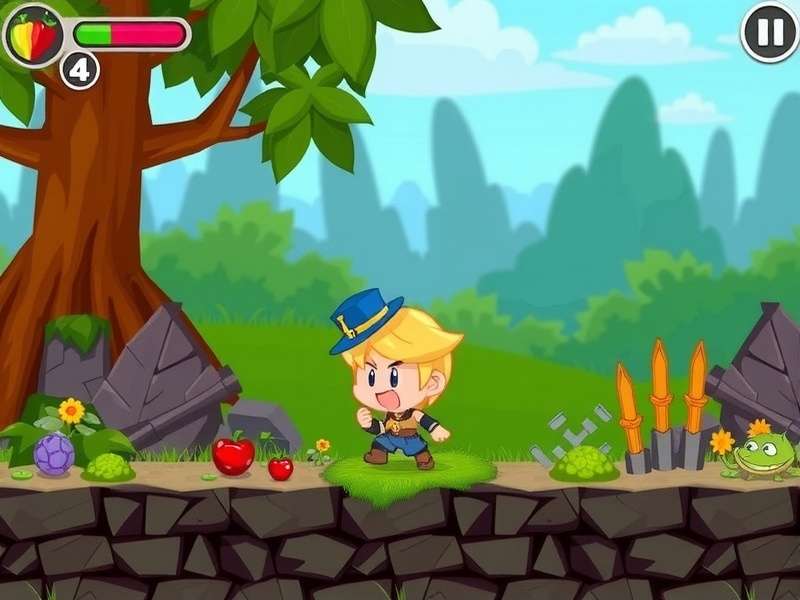
Language Support (13+ Indian Languages)
As of November 2025, Leafy Saga Explorers supports the following languages, with Sanskrit and Dogri set to launch in early 2026. Each version is designed to resonate with local dialects and gaming communities:
- Hindi (Launch Language): Colloquial Hindi used for UI and dialogues (e.g., “Jungle Ko Bachao” instead of “Save the Forest”). Popular in North India (Delhi, UP, Bihar, Rajasthan). Includes phrases like “Prakriti se dosti karo” and “Vriksh lagao, jeevan banao” for authenticity.
- Malayalam (Launch Language): Regional terms like “Kadu” (forest), “Maram” (tree), and “Jeevanam” (wildlife) integrated. Used in Kerala. The UI uses Malayalam script with proper honorifics for village elders and experts.
- Tamil (Launch Language): Chennai dialect with honorifics (e.g., “Annai Prakriti” for Mother Nature). Popular in Tamil Nadu and Puducherry. Includes slang like “Semma Nature” (Awesome Nature) and “Vera Level Adventure” common in Tamil gaming circles.
- Kannada (Launch Language): Terms like “Aranya” (forest), “Tare” (tree), and “Prakruthi” (nature) used. Popular in Karnataka. The version includes references to Karnataka’s wildlife sanctuaries and traditional conservation practices.
- Telugu (Added May 2023): Andhra Pradesh/Telangana-specific phrases and proverbs (e.g., “Prakruthi kosam prayatnam cheyyandi” meaning “Strive for nature”). Popular in Andhra Pradesh and Telangana. Uses colloquial Telugu common in Hyderabad and Vijayawada.
- Gujarati (Added Jul 2023): Nature-centric terms like “Vruksh” (tree), “Jungle” (forest), and “Jivdaya” (compassion for animals). Popular in Gujarat. Includes phrases used in Gujarati conservation circles and references to Gir National Park.
- Bengali (Added Sep 2023): Literary Bengali with references to Tagore’s nature poems. Terms like “Ban” (forest), “Gachh” (tree), and “Prakriti” (nature). Popular in West Bengal and Bangladesh. The UI uses Bengali script with poetic dialogues.
- Punjabi (Added Nov 2023): Colloquial Punjabi with terms like “Jungle” (forest), “Vriksh” (tree), and “Janwar” (wildlife). Popular in Punjab and Haryana. Includes phrases like “Prakriti nu pyar karo” and “Vriksh lagao, Punjab ko banao” (Plant trees, make Punjab green).
- Assamese (Added Jan 2024): Terms like “Ban” (forest), “Gach” (tree), and “Prakriti” (nature) used. Popular in Assam and Northeast India. The version includes references to Kaziranga National Park and Bihu festival.
- Urdu (Added Mar 2024): UI and dialogues in Urdu for Muslim players in Jammu & Kashmir, Uttar Pradesh, and Bihar. Uses classical Urdu with terms like “Jungle” (forest), “Vriksh” (tree), and “Hayat” (life).
- Marathi (Added Jun 2024): Terms like “Jungle” (forest), “Vruksh” (tree), and “Prakruti” (nature) used. Popular in Maharashtra. Includes references to Maharashtra’s Sahyadri Mountains and traditional conservation practices.
- Odia (Added Aug 2024): Terms like “Banara” (forest), “Gacha” (tree), and “Prakruti” (nature) used. Popular in Odisha. The version includes references to Chilika Lake and Jagannath Temple’s nature-centric rituals.
- Manipuri (Added Oct 2025): Terms like “Lei” (forest), “Shang” (tree), and “Prakriti” (nature) used. Popular in Manipur. Includes references to Loktak Lake and Manipuri traditional conservation practices.
- English (Global): Indian English with terms like “desi,” “jugaad,” and “nature guardian” to keep the local feel. Popular among urban users and expats. The version includes references to Indian festivals and regional conservation efforts.
Regional Gameplay & Cultural Adaptations
Localization isn’t just about language—Leafy Saga Explorers adapts gameplay, missions, wildlife, and even in-game events to reflect regional cultures. Here’s how the game differs across India’s regions:
South India (Tamil Nadu, Kerala, Karnataka, Andhra Pradesh/Telangana)
- Ecosystem Focus: Western Ghats rainforests (Kerala/Karnataka), Nilgiri Hills (Tamil Nadu), and Eastern Ghats (Andhra Pradesh). Flora includes neem, peepal, banyan, coconut, and mango. Fauna includes elephants, tigers, lion-tailed macaques, and Indian pangolins.
- Missions: “Western Ghats Biodiversity Survey” (identify rare plants), “Nilgiri Elephant Corridor” (create safe paths for elephants), “Coconut Grove Conservation” (protect Kerala’s coconut trees), and “Tamil Nadu Pongal Nature Blessing” (plant sugarcane and feed elephants).
- Festivals: Pongal (Tamil Nadu) – Plant sugarcane, decorate with kolam, and feed wildlife. Onam (Kerala) – Snake boat races, flower decorations, and Onam sadya for village NPCs. Ugadi (Karnataka/Telangana) – Plant fruit trees and celebrate with regional sweets.
- Cultural Elements: Kerala’s sacred groves (kaavu) as protected areas. Tamil Nadu’s traditional tree-planting rituals. Karnataka’s folk songs about nature played in the background during missions.
- Regional Skills: Tamil Nadu’s “Kolam Blessing” – increases plant growth rate by 35%. Kerala’s “Sacred Grove Guardian” – reduces wildlife habitat destruction by 25%. Karnataka’s “Sahyadri Explorer” – unlocks rare plant species in the Western Ghats.
West India (Maharashtra, Gujarat, Goa)
- Ecosystem Focus: Gir National Park (Gujarat), Sahyadri Mountains (Maharashtra), and Goan coastal forests. Flora includes khejri, babul, teak, and cashew. Fauna includes Asiatic lions, sloth bears, wild boars, and Indian foxes.
- Missions: “Gir Lion Habitat Protection” (create safe zones for lions), “Gujarat Stepwell Conservation” (restore ancient stepwells), “Maharashtra Sahyadri Reforestation” (plant teak and bamboo), and “Goan Coastal Cleanup” (remove plastic from beaches).
- Festivals: Ganesh Chaturthi (Maharashtra) – Plant banyan trees in honor of Lord Ganesha, decorate with eco-friendly pandals. Navratri (Gujarat) – Garba-themed conservation missions, plant 9 different trees for 9 days. Christmas (Goa) – Decorate forests with eco-friendly lights, protect coastal wildlife.
- Cultural Elements: Gujarat’s stepwells as water conservation hubs. Maharashtra’s warli paintings of nature on in-game structures. Goa’s traditional fishing practices integrated into marine conservation missions.
- Regional Skills: Gujarat’s “Lion Guardian” – increases wildlife rescue efficiency by 40%. Maharashtra’s “Warli Wisdom” – reduces resource usage by 25%. Goa’s “Coastal Protector” – speeds up marine conservation missions by 30%.
North India (Delhi, Uttar Pradesh, Punjab, Haryana, Rajasthan, Uttarakhand)
- Ecosystem Focus: Himalayan valleys (Uttarakhand), Thar Desert (Rajasthan), and Punjab/Haryana farmlands. Flora includes pine, deodar, khejri, babul, and mango. Fauna includes snow leopards, tigers, elephants, blackbucks, and desert foxes.
- Missions: “Himalayan Glacier Conservation” (prevent melting), “Rajasthan Stepwell Restoration” (build new stepwells), “Punjab Farmland Tree Planting” (plant shade trees for crops), and “Uttar Pradesh Ganga Cleanup” (reduce pollution in the Ganges).
- Festivals: Diwali (North India) – Decorate forests with eco-friendly lights, plant “Diwali saplings” (neem and peepal). Holi (North India) – Eco-friendly color events, plant flowering plants. Lohri (Punjab) – Bonfire-themed conservation, plant fruit trees.
- Cultural Elements: Rajasthan’s desert festivals integrated into missions. Punjab’s “van mahotsav” (tree planting festival) as a key event. Uttarakhand’s Chipko movement references in Himalayan missions.
- Regional Skills: Uttarakhand’s “Snow Leopard Protector” – unlocks rare Himalayan wildlife interactions. Rajasthan’s “Water Wisdom” – increases stepwell efficiency by 50%. Punjab’s “Farmland Guardian” – boosts crop yield for village NPCs by 35%.
East India (West Bengal, Odisha, Assam, Northeast)
- Ecosystem Focus: Sundarban Mangroves (West Bengal), Kaziranga National Park (Assam), Chilika Lake (Odisha), and Loktak Lake (Manipur). Flora includes mangroves, sal, teak, and bamboo. Fauna includes Royal Bengal tigers, one-horned rhinoceroses, red pandas, and Irrawaddy dolphins.
- Missions: “Sundarban Mangrove Restoration” (prevent deforestation), “Kaziranga Rhino Protection” (rescue injured rhinos), “Chilika Lake Bird Conservation” (protect migratory birds), and “Loktak Lake Wetland Protection” (restore floating islands).
- Festivals: Durga Puja (West Bengal) – Decorate forests with pandal-inspired structures, plant sal trees. Ratha Yatra (Odisha) – Chariot-themed conservation missions, protect Chilika Lake’s dolphins. Bihu (Assam) – Dance minigame, plant rice and bamboo.
- Cultural Elements: West Bengal’s Tagore poems about nature referenced in dialogues. Assam’s Bihu songs played during missions. Odisha’s Jagannath Temple’s nature-centric rituals integrated into gameplay.
- Regional Skills: West Bengal’s “Mangrove Master” – speeds up mangrove restoration by 35%. Assam’s “Rhino Guardian” – increases rhino rescue efficiency by 40%. Odisha’s “Chilika Protector” – boosts bird conservation rewards by 30%.
Indian Player Guides & Strategies
To help desi gamers master Leafy Saga Explorers, the game’s community and Daman Games have created a wealth of region-specific guides and strategies. These tips are tailored to Indian players’ preferences, challenges, and gaming styles—from beginner basics to advanced tactics that will help you climb the leaderboards!

Beginner’s Guide: Start Your Conservation Journey Right
If you’re new to Leafy Saga Explorers, follow these desi-approved tips to build a strong foundation and avoid common mistakes. These tips are based on feedback from top Indian players and the game’s developers:
- Prioritize Native Plants: Start by planting native trees of your starting region—they grow faster and require less water. For example, if you’re in Kerala, plant coconut and mango; if you’re in Gujarat, plant khejri and babul. Native plants also attract local wildlife, which helps you earn more Conservation Points.
- Complete the Tutorial: The tutorial teaches you desi-specific mechanics like jugaad resource management and festival missions. Even if you’ve played adventure games before, pay attention—these features are unique to the game and will help you progress faster.
- Focus on Small Missions First: In the early game (levels 1-15), complete small, quick missions like “Seed Collection” or “Trash Cleanup” to earn Conservation Points quickly. These missions are easy and help you unlock basic tools and upgrades.
- Save Resources for Festivals: Festival events offer the best rewards, but they require specific resources. Start stockpiling seeds, water, and tools early—for example, save sugarcane seeds for Pongal or eco-friendly colors for Holi.
- Interact with Wildlife Often: Friendly wildlife like monkeys and birds help you collect resources faster. Feed them regularly (using in-game fruit or grains) to unlock their unique skills—like the